Ants Control Services in Kenya – Maident Pest Control Services
Professional Ants Control Services for Homes and Businesses
Maident Pest Control Services provides professional ants control services designed to help homeowners, landlords, property managers, offices, hotels, restaurants, schools, warehouses, and other commercial establishments manage ant infestations effectively. Ants are among the most common household and commercial pests, and although some species may appear harmless, their presence can become a serious nuisance when they invade kitchens, food storage areas, bathrooms, bedrooms, gardens, and working spaces. Ants often enter buildings in search of food, water, shelter, and suitable places to establish their colonies. Once they discover a reliable source of food or moisture, they may establish regular trails between their nests and the affected areas, making it increasingly difficult to control them without a proper pest management approach.
At Maident Pest Control Services, we understand that ant infestations can affect the comfort, cleanliness, and hygiene of residential and commercial properties. Our ants control services focus on identifying the sources of infestations, locating potential nesting areas, understanding ant movement patterns, and applying appropriate control methods based on the conditions of each property. Rather than concentrating only on the ants that are visible on floors, walls, countertops, or other surfaces, effective pest management considers the colonies and environmental conditions that allow these insects to survive and multiply.
Ants can enter buildings through small cracks, gaps around windows and doors, openings around plumbing installations, damaged wall joints, and other access points. Some colonies establish nests outdoors beneath paving stones, in gardens, around building foundations, or inside soil near walls. Other species may nest inside wall cavities, wooden structures, insulation, or concealed spaces within buildings. Because the location of a nest is not always obvious, a careful inspection is an important part of an effective ants control programme.
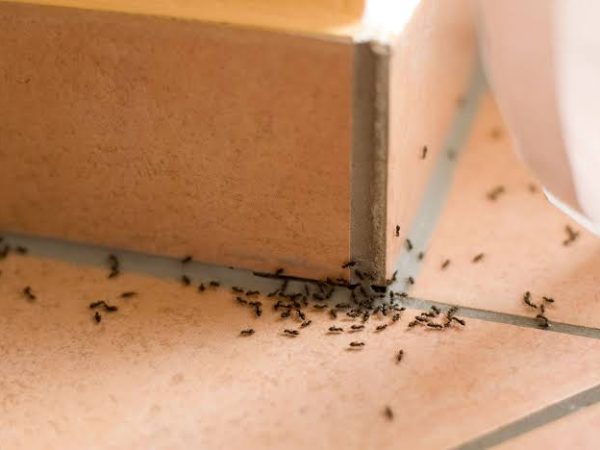
Our approach begins with understanding the nature and extent of the infestation. We consider the areas where ants are most active, the availability of food and water, the condition of the building, and any conditions that may encourage further activity. This allows us to recommend suitable treatment and prevention measures for the affected property. We aim to help clients reduce existing ant activity while addressing the conditions that contribute to recurring infestations.
Whether you are dealing with ants in your home kitchen, an infestation around a restaurant food preparation area, ants invading an office, or persistent ant trails around your compound, Maident Pest Control Services can help you identify appropriate solutions. Our services are intended to support cleaner, more comfortable, and better-protected living and working environments through responsible pest management practices.
Residential Ants Control Services for Houses and Apartments
Ant infestations in residential properties can develop in different areas, including kitchens, dining rooms, bathrooms, bedrooms, living rooms, balconies, gardens, and outdoor storage spaces. These insects are attracted to food residues, sugary substances, grease, crumbs, pet food, standing water, and other resources commonly found around homes. Even a small amount of spilled juice, an uncovered food container, or crumbs beneath kitchen appliances can attract foraging ants. Once a colony discovers these resources, worker ants may establish trails that allow other members of the colony to reach the same location.
Maident Pest Control Services provides residential ants control services for homeowners, tenants, landlords, apartment managers, and residential property caretakers. Our services are intended to help manage ant activity in individual rooms, entire houses, apartments, rental units, and shared residential spaces. We understand that ant infestations can be frustrating, particularly when the insects repeatedly return after ordinary cleaning or the use of household products.
Effective residential ants control begins with identifying where the ants are appearing and determining what may be attracting them. During an assessment, attention may be given to kitchen cupboards, food storage areas, sinks, drainage points, window frames, wall cracks, floor joints, and spaces behind appliances. Outdoor areas such as gardens, patios, garbage storage points, and building foundations may also require attention because ants frequently move between external nests and indoor food sources.
Different ant species have different nesting habits and feeding preferences. Some are particularly attracted to sweet foods, while others may forage for proteins, fats, or a variety of organic materials. Some species build nests in soil outside the house, whereas others may establish colonies in concealed indoor spaces. Understanding these differences helps determine which control methods are appropriate for the infestation.
Depending on the circumstances, an ants control programme may involve targeted baiting, carefully selected insecticide applications, treatment of suitable nesting areas, and recommendations for reducing access to food and water. Ant baits can be useful for certain species because worker ants may carry the bait back to the colony. However, not every bait works equally well for every species, and feeding preferences can change. For this reason, the choice of treatment should be based on the type of ants present and the observed conditions.
Our residential pest management recommendations also focus on preventing future infestations. Homeowners and occupants can reduce the availability of food by storing ingredients in tightly sealed containers, cleaning food preparation surfaces, promptly wiping spills, and emptying rubbish bins regularly. Pet food should not be left exposed for extended periods, and leaks beneath sinks or around plumbing fixtures should be repaired to reduce moisture.
Sealing cracks around windows, doors, pipes, and other building openings can help limit the entry of ants. Outdoor vegetation touching walls may also provide convenient routes into a building, so keeping plants appropriately maintained can reduce some access opportunities. These preventive measures work best when combined with suitable treatment of an established infestation.
Maident Pest Control Services recognises that different residential properties have different needs. A small apartment with ants around the kitchen sink may require a different approach from a large house with several outdoor nests and persistent ant trails throughout the compound. By considering the specific circumstances of each property, we help clients identify practical ants control solutions that address the infestation and support long-term prevention.
Commercial Ants Control Services for Offices, Restaurants, Hotels and Institutions
Ant infestations in commercial properties can create challenges beyond ordinary inconvenience. Businesses that handle food, accommodate guests, store products, serve customers, or maintain shared working environments need to pay particular attention to pest prevention and hygiene. Ants may appear around food preparation counters, restaurant storage shelves, office kitchens, hotel rooms, reception areas, washrooms, staff rooms, waste collection points, and warehouse floors. Their presence can affect customer confidence, create complaints, and indicate that food, moisture, or access conditions require attention.
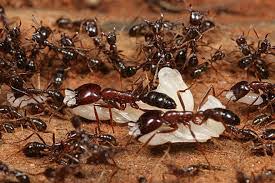
Maident Pest Control Services offers commercial ants control services for businesses and institutions seeking to manage ant activity within their premises. Our services can be tailored to offices, restaurants, cafés, hotels, guest houses, schools, hospitals, retail shops, supermarkets, warehouses, apartment blocks, and other commercial or institutional facilities. Each environment has its own operational requirements, so pest management should consider the building layout, the activities carried out inside the premises, the location of food or sensitive materials, and the need to minimise disruption.
Restaurants and food businesses are particularly vulnerable to ants because food preparation and storage can provide several sources of attraction. Sugar, flour, cooking ingredients, fruit residues, grease, spilled beverages, and food waste can attract foraging insects. Ants may also move through delivery areas, waste storage points, drains, and exterior walls before entering food handling spaces. A professional control programme should therefore address both the affected indoor areas and the conditions surrounding the building.
Hotels and accommodation facilities may experience ant activity in guest rooms, kitchens, dining areas, laundry rooms, balconies, gardens, and waste management zones. Even a relatively small infestation can affect a guest’s experience and create additional work for housekeeping staff. Prompt identification of the source and appropriate treatment can help the facility respond before the problem spreads to other areas.
Offices may experience ant activity around shared kitchens, desks where food is consumed, vending areas, staff dining rooms, washrooms, and rubbish bins. Regular cleaning remains important, but persistent infestations may require more than routine housekeeping. Ant colonies can remain active in wall voids, external landscaping, and concealed spaces even when the visible insects have been removed.
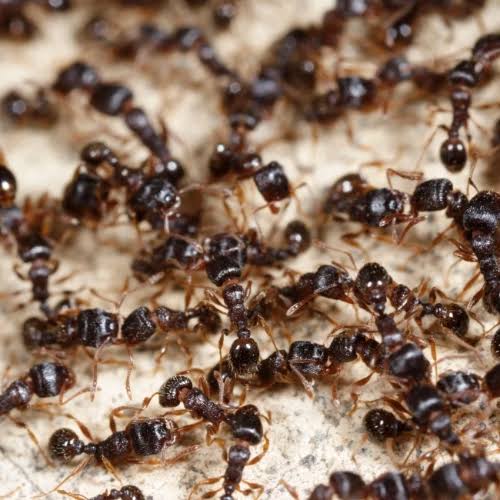
Warehouses and retail establishments may also require specialised attention because of their size, stock arrangements, loading bays, packaging materials, and storage practices. Ants may enter through delivery doors, small structural openings, utility penetrations, and gaps around the building perimeter. Where products are stored for extended periods, routine inspection and good stock management can help identify signs of pest activity before they become widespread.
Maident Pest Control Services can assess the affected areas and recommend a suitable treatment programme that takes operational needs into account. Depending on the site, this may involve targeted bait placement, treatment of appropriate harbourage areas, attention to entry points, and recommendations for improving sanitation and waste management. Treatment selection must also consider the safety of employees, customers, visitors, food, equipment, and other sensitive materials.
For businesses that need ongoing pest prevention, scheduled inspections and monitoring may be appropriate. Regular monitoring can help identify changes in ant activity, detect emerging infestations, and highlight maintenance or sanitation issues that need correction. Records of pest observations and treatments can also support internal hygiene procedures and help property managers evaluate whether preventive measures are working.
A successful commercial ants control programme relies on cooperation between the pest control provider and the people responsible for operating the premises. Staff should understand the importance of reporting ant trails, cleaning food spills, storing ingredients properly, and avoiding unauthorised pesticide applications that could interfere with professional treatment. In food handling environments, products must be used strictly according to their approved labels and applicable safety requirements.
By choosing Maident Pest Control Services, businesses can obtain a structured approach to identifying and managing ant infestations while maintaining attention to hygiene, safety, and the daily operation of their premises. Our objective is to help commercial clients address current pest concerns and reduce the conditions that could allow ants to return.
Advanced Ants Eradication Methods, Inspection and Targeted Treatment
Successful ants control requires more than eliminating the insects that are immediately visible. Ant colonies may contain numerous workers, developing ants, and one or more reproductive queens, depending on the species. When a treatment affects only the foraging workers without addressing the colony or its supporting conditions, ant activity may continue or reappear after a short period. Some species can also establish multiple interconnected nests, making identification and treatment selection especially important.
Maident Pest Control Services uses an assessment-led approach to determine the most suitable methods for managing ant infestations. The process starts by examining the areas where ants have been observed and identifying possible routes of entry, food sources, moisture conditions, and nesting locations. Ant trails may be followed where practical to determine whether they lead towards a wall opening, a floor joint, an outdoor nest, or another concealed area. This information helps guide the selection of suitable control measures.
Targeted ant baiting is one method that may be appropriate for certain infestations. Ant baits contain an attractive food source combined with a suitable active ingredient. Depending on the product and ant species, worker ants may transport the bait to other members of the colony. This can help reach ants that are not directly exposed to a surface treatment. However, successful baiting depends on correct placement, the attractiveness of the bait, and the feeding behaviour of the ants. Competing food sources and unsuitable bait formulations can reduce effectiveness.
In some situations, carefully targeted insecticide applications may be appropriate. These applications can be used in suitable locations according to the product label, the species involved, and the conditions at the property. Treatment decisions should consider whether the affected area is indoors or outdoors, whether people or pets may contact the treated surfaces, and whether the location is close to food, water, or sensitive equipment. Not every treatment is suitable for every setting, and professional judgement is important when choosing a method.
An important consideration is avoiding inappropriate combinations of baiting and repellent insecticides. Some repellent products may deter ants from approaching bait stations or alter their movement patterns, potentially reducing the effectiveness of the baiting programme. Similarly, disturbing certain colonies without understanding their nesting behaviour may complicate control. Treatment methods should therefore be selected and coordinated rather than applied randomly.
Integrated pest management provides a practical framework for addressing these challenges. It combines inspection, appropriate treatment, monitoring, sanitation, structural maintenance, and preventive recommendations. Instead of depending exclusively on repeated pesticide applications, this approach aims to understand why the ants are present and reduce the environmental conditions that support their activity.
Maident Pest Control Services may recommend monitoring points in areas where ants have previously appeared. Monitoring can help establish whether activity is decreasing after treatment, whether new trails are forming, and whether additional action is needed. Some infestations require follow-up visits because the colony may not be eliminated immediately, especially when nests are concealed or multiple colonies are present. The timing of follow-up treatment depends on the species, the method used, the product instructions, and the observed results.
Property owners should avoid applying several different pesticides without understanding how they interact. Uncoordinated treatments can expose occupants unnecessarily, contaminate food preparation surfaces, interfere with baiting, and make it harder to determine which intervention is effective. Household products should never be mixed together, and pesticide instructions should always be followed carefully.
Safety is an essential part of professional ants control. Before treatment, clients should communicate any relevant site requirements, including the presence of children, pets, food preparation areas, aquariums, or sensitive equipment. Food and utensils should be protected or removed as directed, and people should remain away from treated areas for the period specified on the product label or by the qualified service provider. Any required ventilation, cleaning, or re-entry instructions should also be followed.
Through inspection, appropriate treatment selection, monitoring, and practical prevention advice, Maident Pest Control Services aims to help clients manage ant infestations more effectively. The exact approach will depend on the property and the ants involved, but the central objective remains the same: to reduce pest activity responsibly and address the conditions that allow infestations to persist.
Preventive Ants Control, Long-Term Protection and Reliable Pest Management
Preventing recurring ant infestations is an important part of maintaining a clean and comfortable property. Although professional treatment can help control an established infestation, long-term results also depend on reducing the resources and access points that allow ants to thrive. Without appropriate prevention, ants may return from nearby outdoor colonies or establish new trails when they discover fresh sources of food and moisture.
Maident Pest Control Services helps residential and commercial clients understand the practical measures that support effective ants prevention. One of the most important steps is proper food management. Food should be stored in sealed containers, kitchen counters should be cleaned regularly, and spills should be removed promptly. Sweet beverages, cooking residues, crumbs, and uncovered ingredients can attract ants even when the rest of a room appears clean. Particular attention should be given to cupboards, appliance spaces, dining tables, and other areas where food particles can accumulate unnoticed.
Moisture control is another valuable preventive measure. Some ants are attracted to water sources or damp environments, while moisture can also create conditions that encourage other household pests. Leaking taps, damaged pipes, blocked drainage points, and persistent dampness should be addressed where possible. Drying wet areas and improving ventilation where appropriate can help reduce conditions that attract insects.
Structural maintenance helps reduce opportunities for ants to enter buildings. Cracks around doors, windows, walls, floors, and service pipes should be inspected and sealed where appropriate. Door sweeps, properly fitted window screens, and maintained building joints can reduce access for ants and other crawling insects. However, sealing an opening should be done thoughtfully if ants are actively nesting within a wall or another concealed space, because the source of the infestation may require treatment first.
Outdoor maintenance can also support prevention. Vegetation touching building walls may provide convenient routes for ants, while leaves, debris, and stored materials near foundations can create sheltered nesting locations. Keeping the immediate building perimeter reasonably clear, managing garden waste, and inspecting areas beneath paving stones or around outdoor structures can help identify potential nesting sites. Ant nests should not be disturbed indiscriminately, particularly where the species is unknown or where treatment may require professional assessment.
Different properties may benefit from different levels of ongoing pest management. A private home with occasional ant activity may need a focused treatment and preventive advice, while a hotel, restaurant, warehouse, school, or large residential complex may benefit from routine inspections and monitoring. Regular service arrangements can help identify developing problems early and allow corrective action before an infestation becomes more difficult to manage. The appropriate inspection frequency depends on the property’s risk profile, past pest activity, environmental conditions, and operational requirements.
Maident Pest Control Services aims to support clients through practical recommendations that fit their buildings and daily routines. Our ants control services can form part of a wider pest management plan that addresses other common pests where required. By combining appropriate professional treatment with consistent cleaning, waste management, moisture control, and structural maintenance, property owners can reduce the likelihood of recurring ant problems.
If you notice ants moving across kitchen surfaces, entering cupboards, gathering around rubbish bins, appearing in bathrooms, or forming persistent trails along walls and floors, early action can help prevent the problem from becoming more established. Repeated ant activity should not simply be ignored, especially when the insects continue to appear despite ordinary cleaning measures. Identifying the source and choosing an appropriate control strategy can save time and help protect the cleanliness of the affected environment.
Maident Pest Control Services is committed to helping clients address ant infestations through professional assessment, appropriate pest control methods, and preventive guidance. Whether you need ants control for a home, apartment, office, restaurant, hotel, school, warehouse, or another property, our services are designed to help you take practical steps towards a pest-managed environment.
For ants control services, contact Maident Pest Control Services on 0798215084 to discuss your infestation and arrange an assessment. Our team can help you identify suitable treatment options and preventive measures based on the needs of your property.